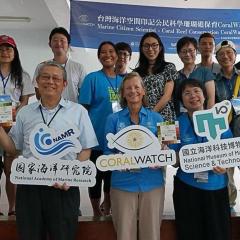
Taiwanese diving instructors, marine affairs postgraduates, reef conservation enthusiasts, artists and even an actress attended CoralWatch’s first international workshop since its inception in 2002.
Leading scientists have found that sea surface temperatures on the Great Barrier Reef have reached a 400-year critical level, with human-induced climate change to blame.
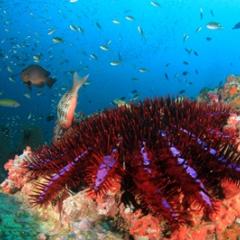
A DNA-based method of biodiversity monitoring has provided new insights into the early-life stages of several species, including the crown-of-thorns starfish (COTS), and could reshape how we detect and monitor similar species moving forward.
Researchers have uncovered an under the sea phenomenon where coral-destroying crown-of-thorns starfish larvae have been feasting on blue-green algae bacteria known as ‘sea sawdust’.
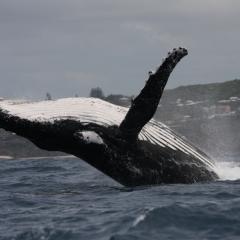
University of Queensland-led research has found migrating humpback whales off Australia’s east coast became less stressed over the first year of the COVID-19 pandemic.
Scientists are one step closer to combatting coral-destroying crown-of-thorns starfish, following a University of Queensland study into the pest’s genetics.
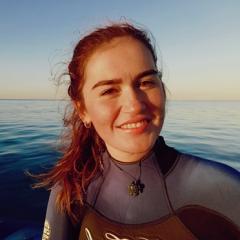
University of Queensland PhD candidate Soni Peter’s passion for plants, nature, and the ocean started in her childhood and has only grown the more she becomes entrenched in the industry.
A University of Queensland-led citizen science project, CoralWatch, has unveiled an interactive online tool designed to help researchers and citizens alike track and manage coral health worldwide.
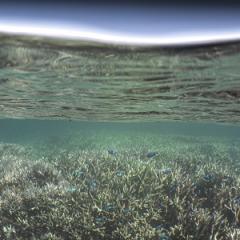
Some deeper areas of the Great Barrier Reef are insulated from harmful heatwaves but that protection will be lost if global warming continues, according to research by The University of Queensland and University of Exeter.
‘Red tape’ – in the form of permitting restrictions – is hindering marine and coastal restoration projects across Australia, according to University of Queensland research.
Alumni who attended the first-ever alumni weekend at Heron Island couldn’t have been more glowing in their praise. And now the event has received formal recognition at the Engagement Australia Excellence Awards.
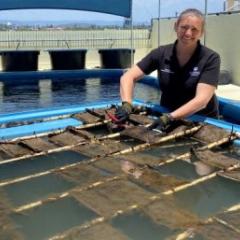
A newly launched online course led by The University of Queensland will equip learners from around the world with the knowledge needed to become versatile advocates for coral reef conservation.
A major study in Southeast Queensland is testing how quickly biodegradable plastics break down in waterways, as researchers search for solutions to the world's growing plastics problem.
A collaborative project led by The University of Queensland’s citizen science program CoralWatch is aiming to get more people collecting valuable coral health data around the world.
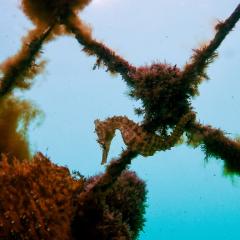
A University of Queensland and Sea World Foundation research collaboration hopes to better understand and protect the endangered White’s seahorse (Hippocampus whitei).
Mangrove researcher and University of Queensland PhD candidate Jack Hill has won best student presentation at the recent Australian Marine Sciences Association (AMSA) conference.
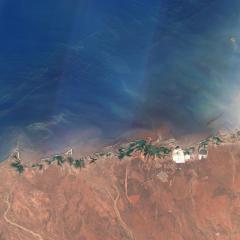
Researchers are developing habitat maps of reefs in the northern Australian seascape using state-of-the-art satellite imaging technology, in an effort that will better protect the richly biodiverse habitats.